CASE STUDY: Empowering Energy Independence and Efficiency
Location: Estonia
Service Portfolio: Renewable Energy Smoothing & Frequency Regulation
As one of the pilot projects to help Estonia synchronise their electricity grids with renewable energy integration, it allows our customers to get a faster return on investment while contributing to maintaining the balance of the electricity grid.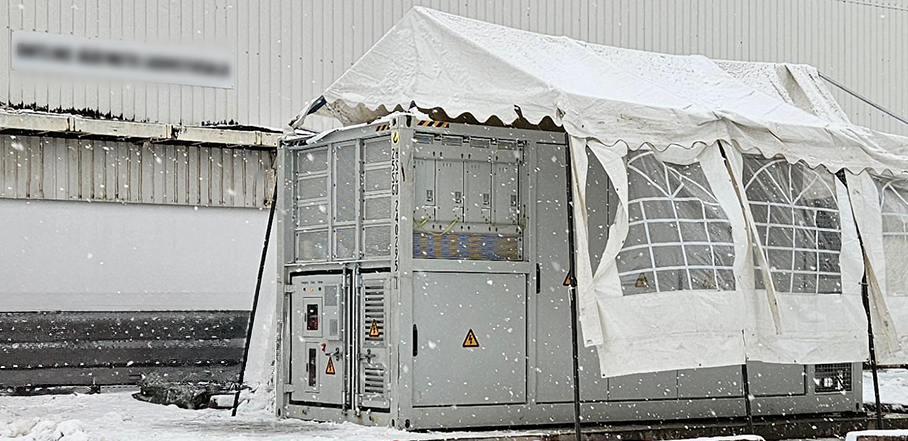
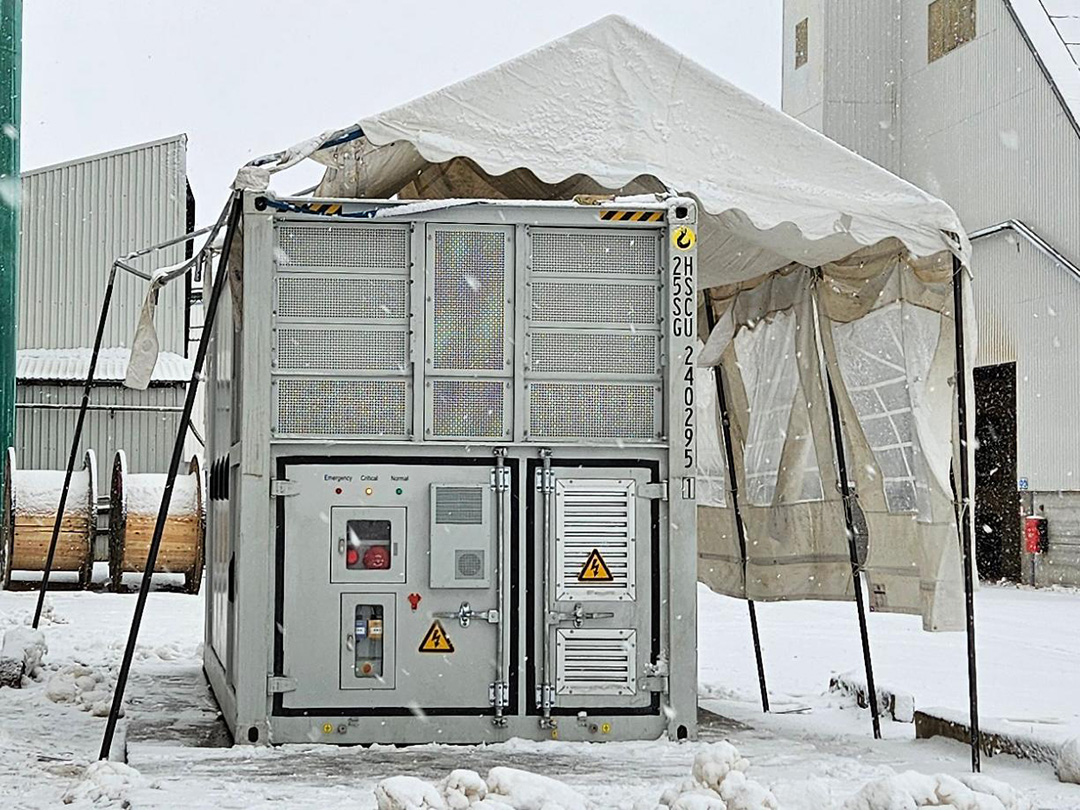
The liquid cooling system ensures a tightly controlled thermal environment, maintaining a temperature difference of less than 3°C at 0.5C within the container. This precise temperature regulation prevents overheating and thermal imbalances, which are common causes of energy inefficiency and battery degradation. The result is sustained system performance, enhanced safety, and reduced energy waste.
The AC/DC all-in-one, pre-integrated PowerCombo-20C2H1600K is tailored to minimize interruptions during operation. The system eliminates the need for separate resources and additional coordination to manage the AC and DC sides, simplifying the grid connection upkeep. This reduces ongoing maintenance costs and time, enabling customers to focus on maximizing the value of their system without being burden by complex infrastructure for grid connectivity.
In addition to its technological advantages, the system complies with stringent grid code standards, including EN 50549-1 and EN 50549-2, ensuring seamless integration with utility grids.
Shifting Toward Energy Independence and Security
The Baltic States’ electricity systems are integrated into the IPS/UPS network, with frequency control managed centrally by Russia. This setup poses substantial geopolitical and energy security risks. On July 2024, the Baltic countries officially notified Russia and Belarus that they will exit a 2001 agreement that has kept Estonia connected to an electricity transmission system controlled by Moscow, planning to synchronize with the continental European system on 2025 and establishing independent, stable and reliable frequency control.
This synchronization project, while ambitious, faces several challenges. Chief among them is the completion of critical infrastructure projects. Any delays could jeopardize the overall timeline, underscoring the importance of meticulous project management and robust contingency planning. Delivered within 30-day, Cubenergy’s project was promptly commissioned and operationalized following the notification of desynchronization from the Russian grid. The pre-integrated, all-in-one PowerCombo-20C2H1600K exemplifies readiness, showcasing seamless compatibility with existing grid infrastructure, which accelerates setup and commissioning timelines.
The project plays a vital role in this ‘ambitious energy independent project’: variability in renewable generation (smoothing) and maintaining compatibility with the grid or local networks (synchronization).
As the region embraces renewable energy for net-zero goal, integrating weather-dependent electricity generation into the grid highlights the necessity of energy storage. Cubenergy’s system stabilizes renewable energy output, storing surplus energy during periods of high generation and deploying it when needed. This approach transforms renewable energy into a predictable and grid-friendly resource while alleviating the strain on transmission and distribution networks.
Synchronization will reduce the Baltic states’ dependence on the Russian energy system, thereby enhancing regional energy security. The project facilitates active participation in frequency regulation services. The PowerCombo-20C2H1600K operates at the same frequency and voltage levels as the grid, preventing disturbances and supporting grid demand by synchronizing power output with fluctuating loads. It responds within milliseconds to frequency deviations, contributing to independent frequency control and enabling customers to earn capacity and performance payments from grid operators. This dual advantage represents a win-win solution for both grid operators and our customer.
Additionally, synchronization integrates the Baltic electricity markets with the broader EU market. This market integration is expected to benefit our consumer by fostering more competitive electricity prices. Price transparency and heightened competition among energy suppliers encourage the adoption of peak shaving strategies, empowering optimization of energy consumption patterns. By utilizing the PowerCombo-20C2H1600K, our customers can further enhance cost efficiency by reducing their reliance on grid electricity during peak hours and capitalizing on lower rates during off-peak periods for charging. The impact has been transformative: the project achieved a 65% reduction in monthly energy bills, underscoring the substantial economic benefits of integrating energy storage.